
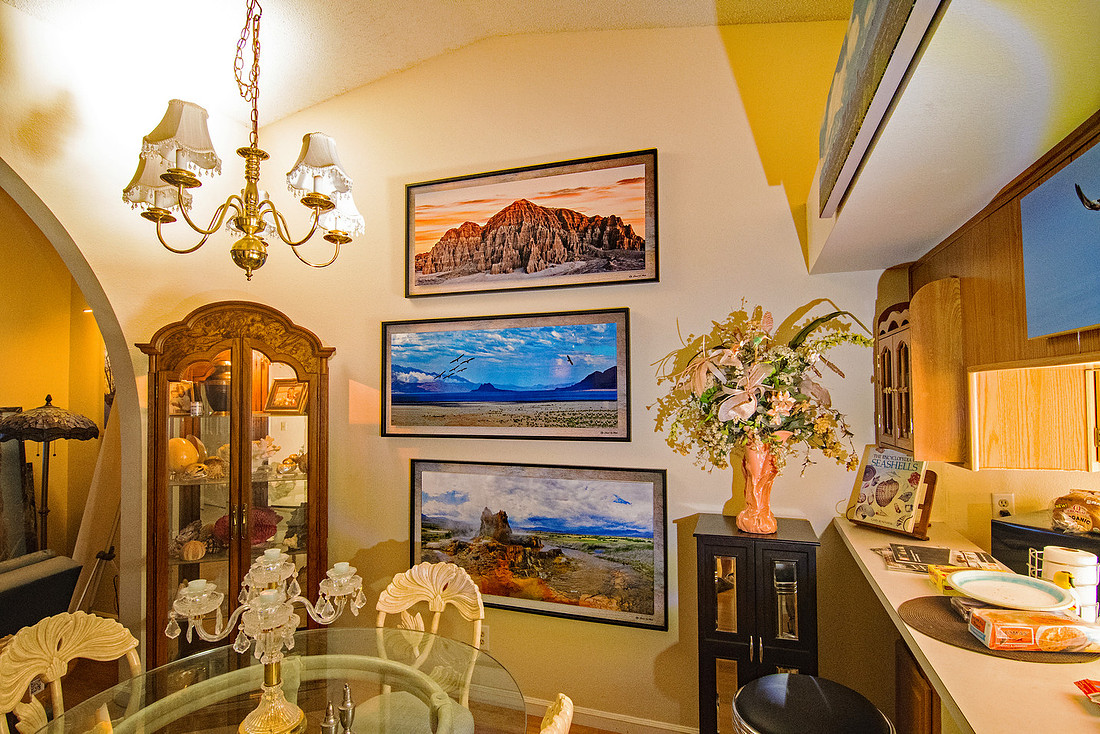

1. Calculate the Perfect Width
If you’re hanging a painting, drawing, print, or any other artwork on the wall over a piece of furniture, such as a bed or sofa, look for artworks that are between 65 percent and 85 percent of the furniture’s total width. Anything larger will make your furniture look comically small, and anything smaller will leave too much blank space.
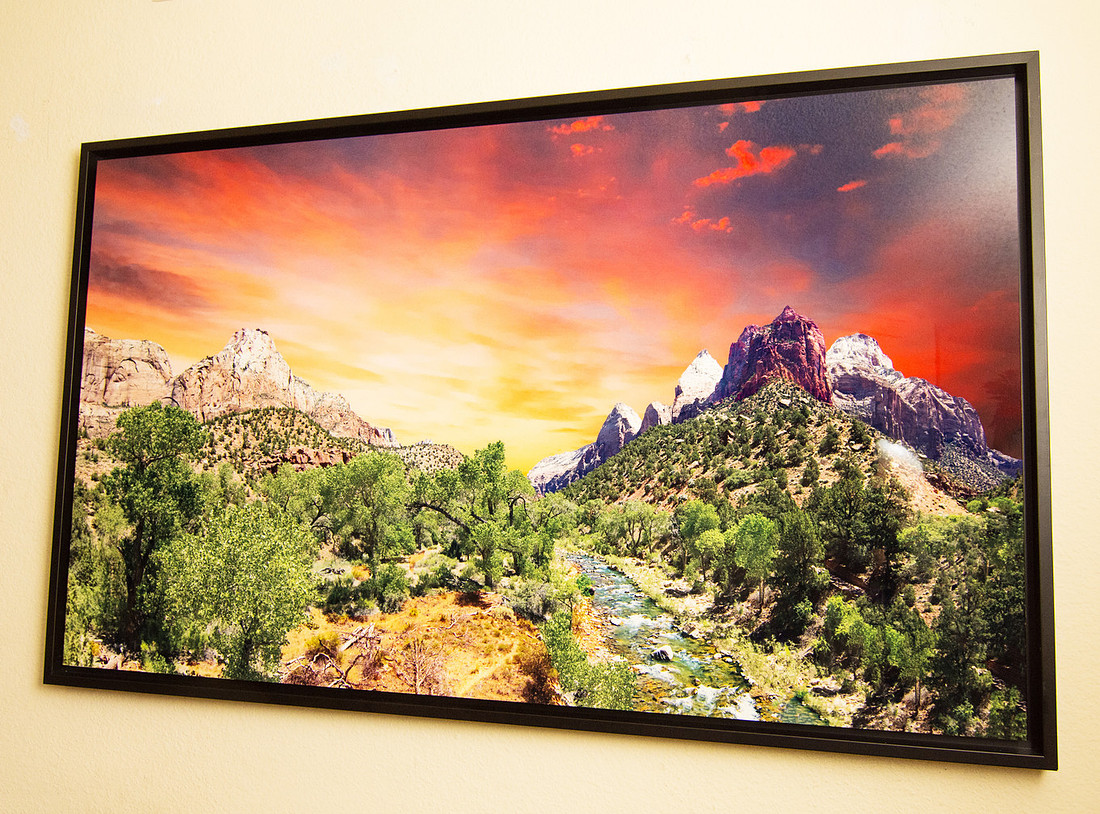
2. Consider Split Images
Having trouble finding a piece you like that’s wide enough for your setting? Why not consider a diptych or a triptych—i.e., works that come in sets of twos or threes, respectively—that adds up to the width you’ve calculated? (Remember to account for two to five inches of space in between the works.)
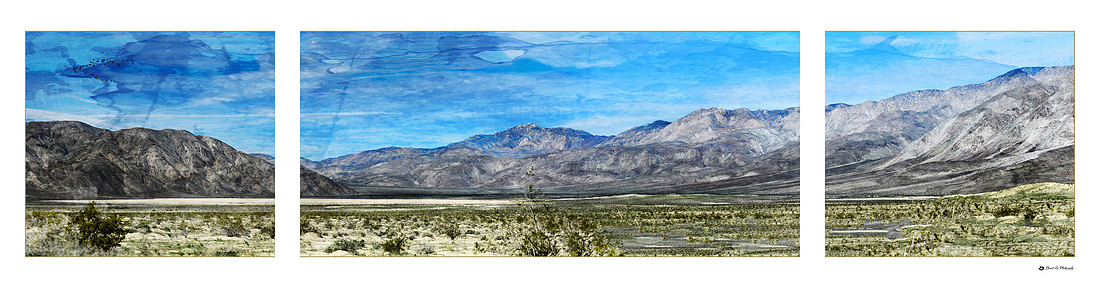
3. Use the Rule of Three-Eighths
Use this rule when working with an empty wall. The white space on either side of the artwork should be roughly three-eighths of the width of a painting. To calculate your ideal width, simply multiply the length of your wall by 0.57.
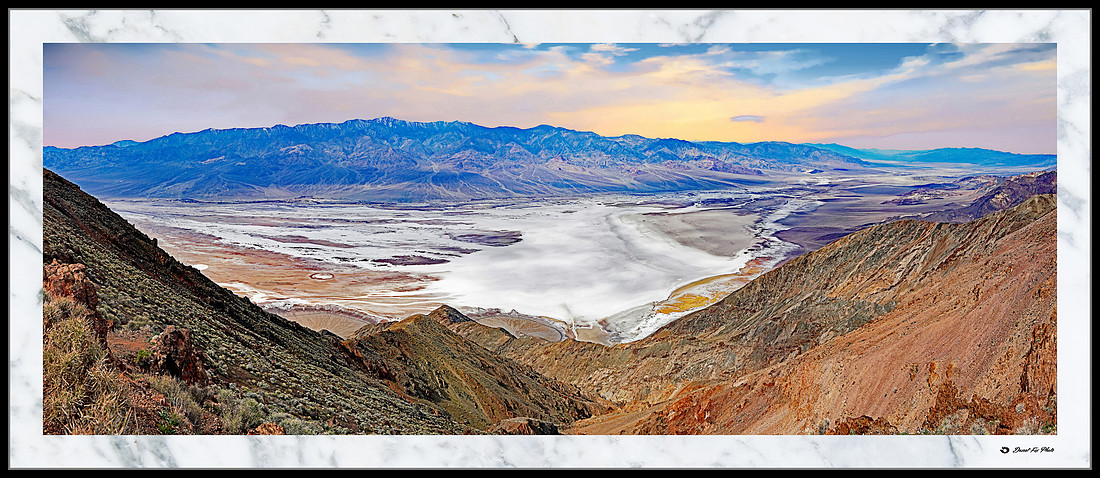
4. Anchor the Room
Don't just hang the artworks at eye level—because, frankly, it's just your eye level. Instead, interior decorators
and curators always tend to hang a work with a standard 58-inch distance from the floor to the artwork's
center. If your ceilings are really high, bump that up to 60 inches. And if the artwork is over furniture, have the
bottom of the piece end 8 to 10 inches above the headboard or back of the sofa—hanging the artwork too high
will leave your room feeling unbalanced.
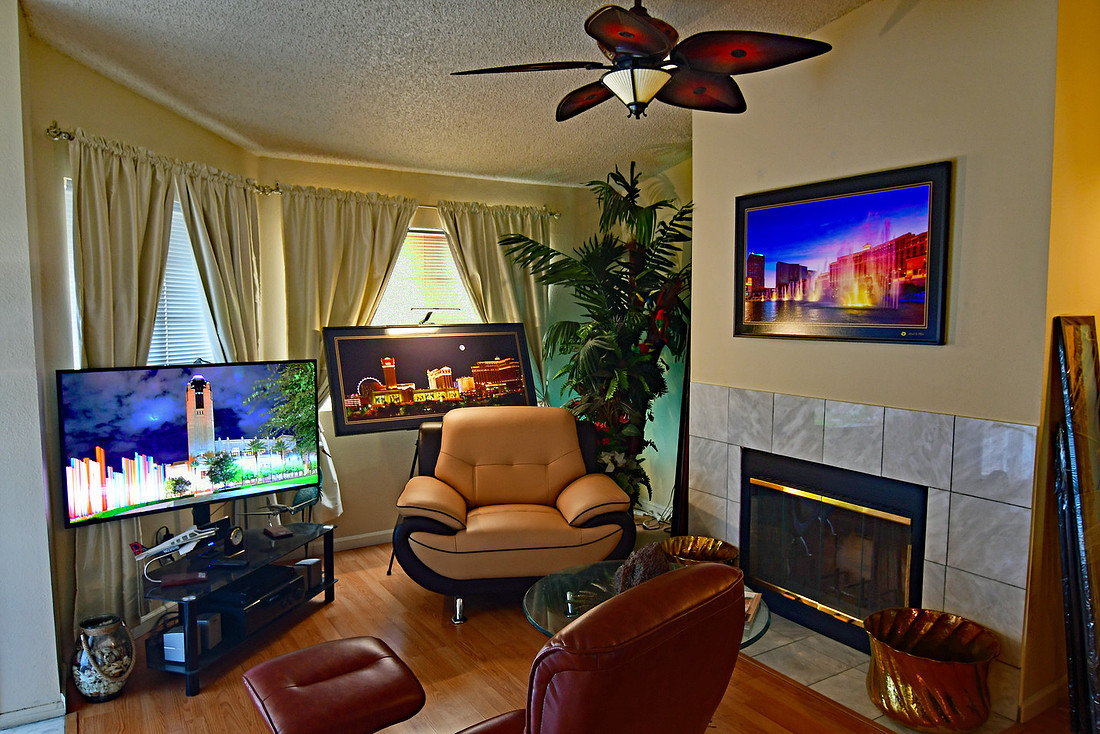
The Framed Art Works gallery's contain images close to my heart. The images in the
Museum Quality Wall Art need special consideration when configuring for reproduction.
The finished image is constructed using the finest quality paper in conjunction with high
resolution Laser Printers. The Printed image is then mounted on very special art board for
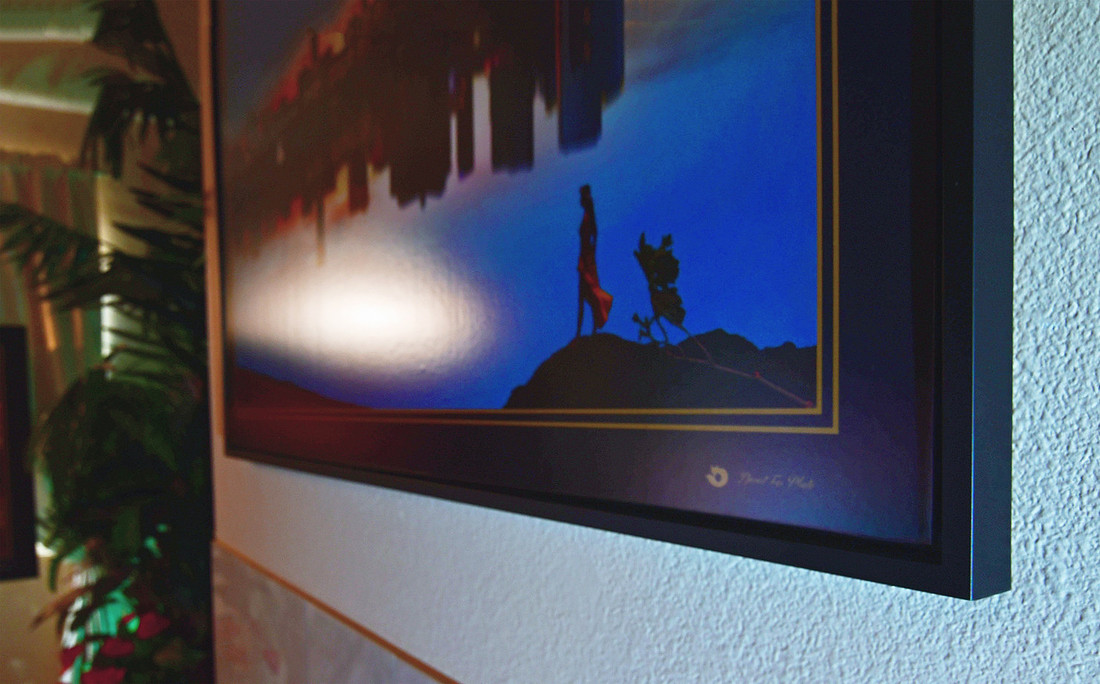
distortion free presentation. The frame is an "L" shaped 1 inch Art Box frame with a 1/4
inch reveal around the image so the image and the frame do not touch. Every
consideration in the frame material was considered, the framing material comes from
Italy, using European hard wood eliminating any chance of warping.Here is an example of
the Art Box Framing system, I like it because it goes with any type of decor.
Art Box Frame "L" shaped
The Photo Lab
The photo lab I have chosen has state of the art reproduction equipment, employs only
the finest materials in a Clean Room environment. The operator knows exactly what my
quality demands are and we communicate well together. After many years as a customer
we have fostered a strong mutual respect for each other.
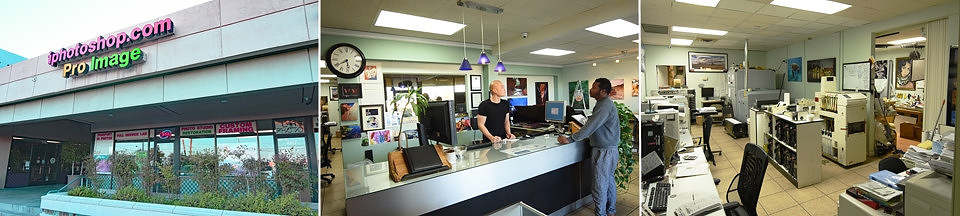
The photo-lab is very close to where I live making it convenient to oversee every step in
the creation of each piece. Framing and shipping will all take place here and a double
check system will be employed to guarantee the correct image is shipped to the correct
person.
Recommended Printing Surfaces
After many digital image reproductions there are 3 materials that are by far the best for
High Definition image reproduction.
1. Fujicolor Crystal Archive – Digital Pearl paper mounted on rigid foam board. 1/2 inch
thick for non-framed applications and 1/4 inch for framed images. The printed image
receives a clear matte finish protective film providing a professional gallery-quality look to
the finished image. The advantage to this choice is it's cost of production, ease of tube
shipping oversees and minimal labor to produce a finished product. Pearl-like crystals give
silver halide color prints a specific luster, creating a distinctive appearance, sure to
impress! The image fidelity and detail is perfect and the finished results are far superior to
any commercially available reproductive process.
2. Cotton Canvas Prints - your artwork presented in style and sophistication with
frameless, gallery wrapped canvas prints stretched over a 1 ½ inch wood frame. After
printing the canvas has three coats of hand-applied gel coating liquid laminate insuring the
artwork additional protection from the elements. This process creates a finished
product that is very professional and will mage a bold statement where-ever it is
displayed.
3. Aluminum – I have provided this surface in the past, it was a great process but it had
some downsides. First, the glare, it is too shiny. Second the image clarity is diminished.
Lastly the color quality is compromised due to the original image being produced on a dot
matrix printer. These printers are notorious for interpolating image colors and vibrance.
This effects the finished output of the sublimated image transfer medium. I no longer
recommend or support this medium as the image quality is too heavily compromised. I
have not compromised on the quality or lenses used and the output is amazing. I want
every drop reproduced in evert image.
Important Technical Specs
Recomended Surface... Fujicolor Crystal Archive Professional Paper Super Type CN
At a Glance
With world class color image stability, Fujicolor Crystal Archive Professional Paper Super Type CN produces bright, crisp commercial prints from laser printer and other digital exposure systems.
Overview
Designed for optimum performance from large digital systems, new Fujicolor Crystal Archive Professional Paper Super Type CN produces bright, crisp commercial prints from laser printers and other digital exposure systems with unsurpassed, world-class color image stability. Ideal for meeting professional photographers' needs for exhibitors, advertising and other commercial photo applications, this new paper delivers rich tonal gradation, vivid color reproduction, exceptional sharpness and unsurpassed color stability.
Features
Optimized silver salide crystals for laser exposure to deliver excellent commercial prints from wide format laser printers.
High D-Max for deep, rich blacks, vivid colors and crisp text.
Vivid and saturated color reproduction resulting in vibrant yet accurate colors.
Excellent contrast with ideal gradation balance for a rich tonal scale and unbiased grays from highlight to shadow.
Recognized color image stability for unsurpassed color fidelity and longevity.
Printer Used... Cannon Oce LightJet Printers
LightJet is a brand of hardware used for printing digital images to photographic paper and film. LightJet printers are no longer manufactured but are however remanufactured and resold; and their lasers are still manufactured.
LightJet is a trademark of Océ Display Graphics Systems, a division of Océ N.V. (the company that acquired Cymbolic Sciences, Inc.) In 2010 Océ was acquired by Canon of Japan. The term "LightJet" is often used to generically describe a digitally made chromogenic print. Competing manufactures of equipment include ZBE Chromira and Durst Lambda.
Details
Unexposed silver-halide (AgX) photographic paper is temporarily fixed on a stationary internal drum, where three digitally controlled lasers simultaneously expose the photo-sensitive emulsion on the paper medium (or back-lit transparency medium) with red, green and blue laser light. The amount of light from each laser varies to provide specific color and density values for each pixel imaged to the print. The light-path includes a spinning surface coated mirror mounted on an air-bearing that travels along the axis of the internal drum, thus reflecting the laser light at 90 degrees allowing for a dimensionally consistent round imaging dot across the entire area of the photographic paper. The purpose of this round imaging dot is to maintain edge to edge sharpness on the final print. The print is then processed using traditional photochemical means (usually RA4). After which the photographic print is handled just as any other photo-print.
Whereas xerography and inkjet printing employ a halftone process and ink to reproduce digital images on paper, digital-C is a photographic continuous tone process rather than halftone or error diffusion which are common on offset press or ink-jet. The device natively supports 24-bit RGB raster files, and is capable printing vector based files when fronted by a photographic Raster Image Processor (RIP). 24 bit color continuous-tone devices use large multitudes of colors, up to 16,777,216, rather than the small number of colors available to 4-color press and 8-color ink-jet type devices. Therefore, posterization and banding are unlikely from these types of prints when provided with a file of good integrity. Due to slight halation of the light source, digital C-prints produced on high end equipment have true continuous tones not possible with images created with ink or pigments (due to CMYK halftone limitations).
Recomended Framing System
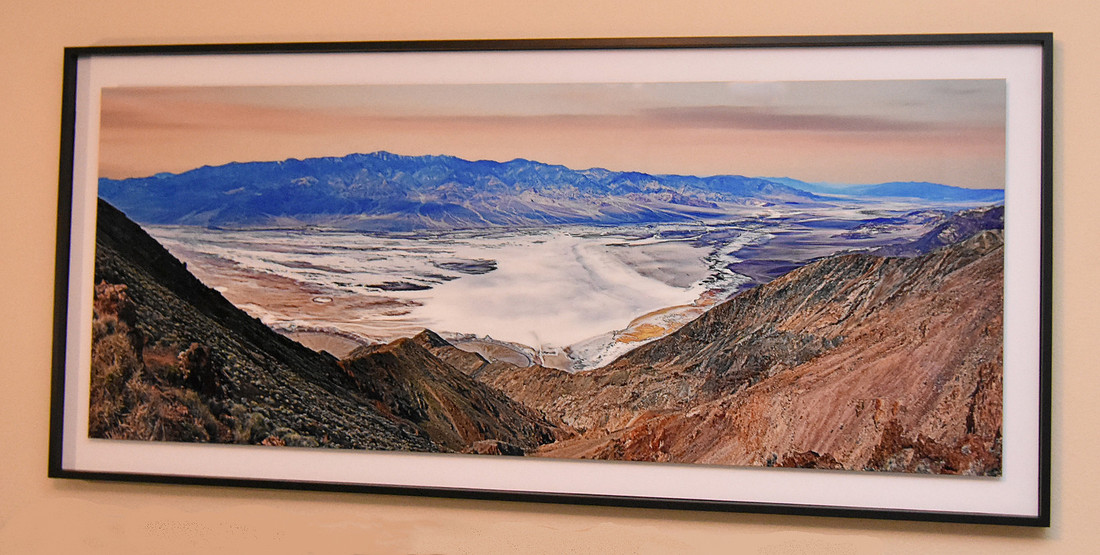
Shadow Box Frame with background texture board is a proprietary design, they are
complex to build and expensive but the end results are very dramatic.
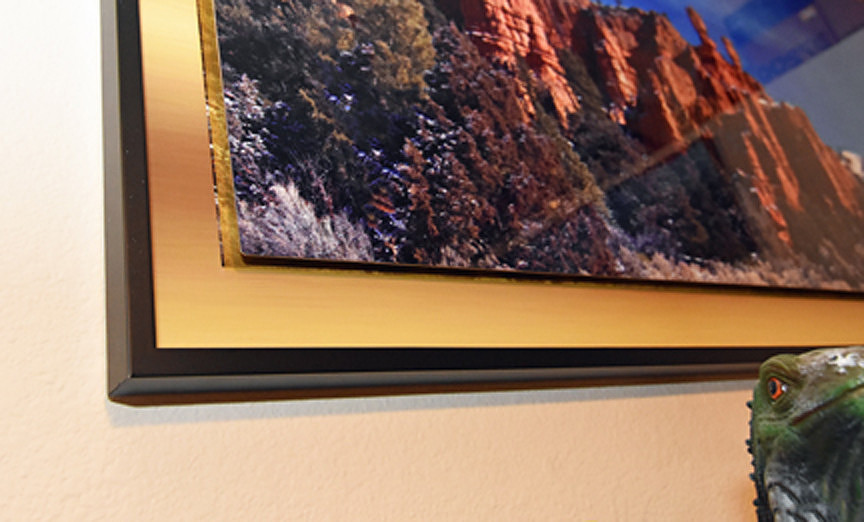
Shadow Box Frame
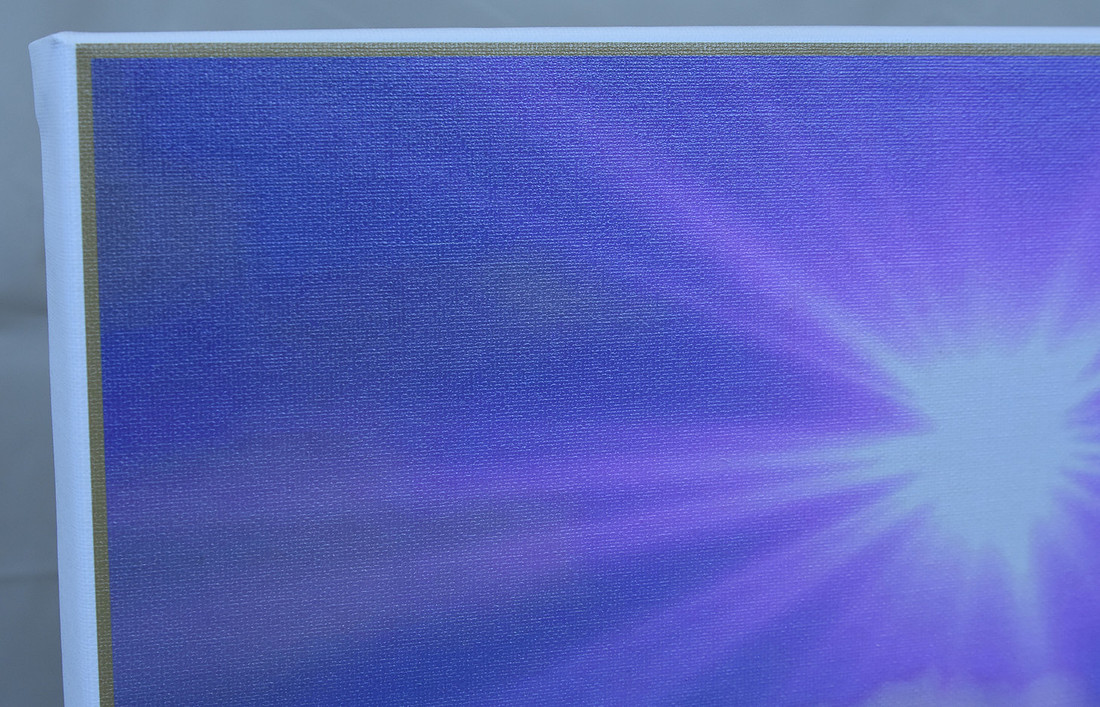
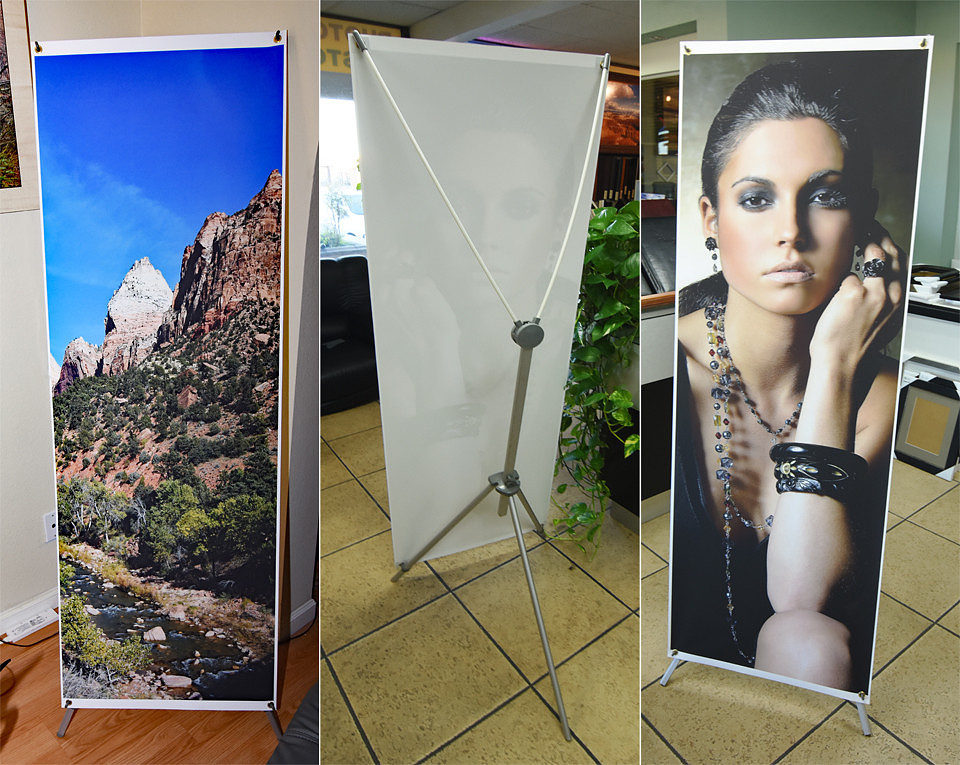
No frame – no border works well for the vertical panoramic displays where images are
within close proximity of each other or tight spaces. Canvas images are stretched over
a 1 1/2 inch hardwood frame.
Stretched Canvas Artworks
Notes:
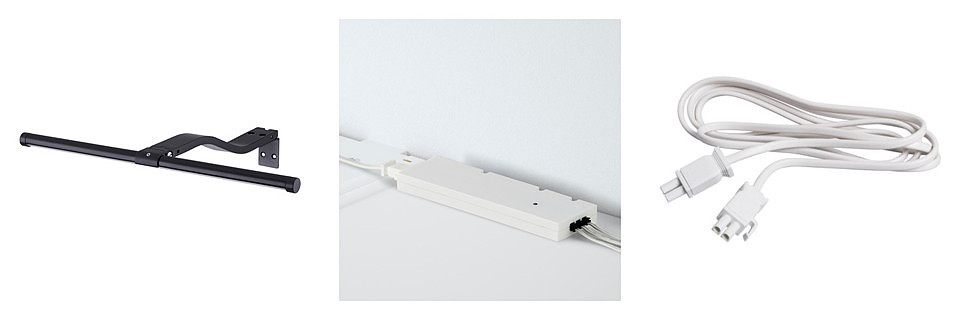
Options such as mountable lighting should be considered during the order process. This
item is available at the time of image selection.
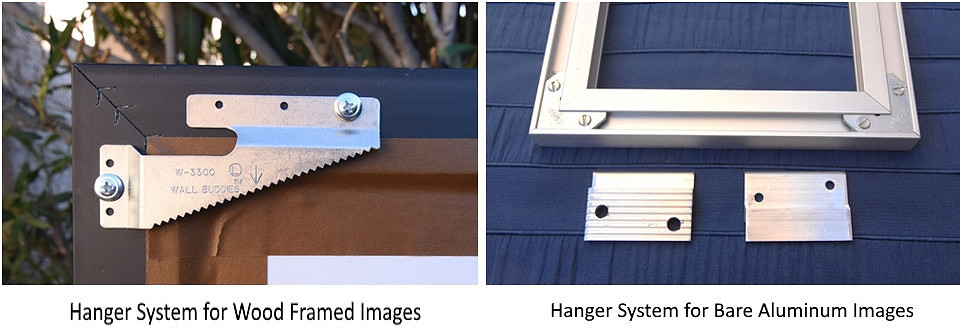
The mounting systems for each image will be pre-determined and included with each
image.
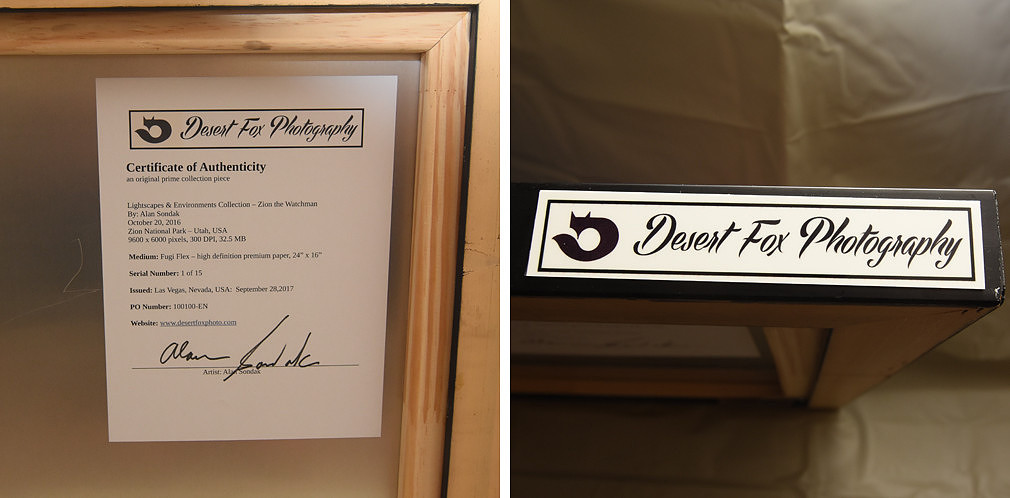
Each image will have a ID tag attached to the back of the image for authenticity.
Display Options:
1. Example of a shadowbox frame mounted on the wall... flush mounting with wall
anchors.
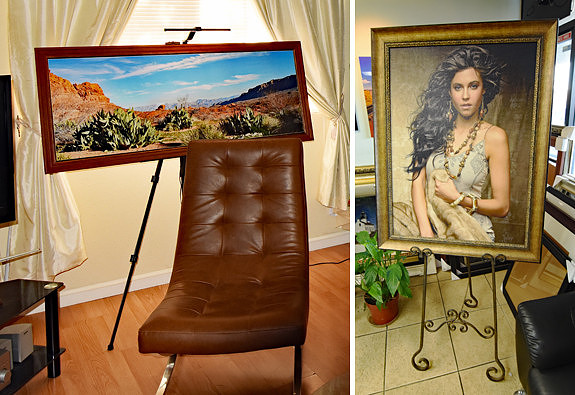
2. Freestanding using an art easel or pedestal mounting... This item is available during
the image selection process.
3. Displayed as a free standing banner... Available only for Vertical Panoramas in
the Art Works Gallery.
Shipping
Depending on the size and destination, careful considerations needs to be evaluated for a
cost effective solution. For United States and Canada, the shipping is pre-calculated. These
items are found in the "Art Works Galleries and will arrive ready to hang. Oversees
shipping is possible but there will be an additional crating and freight handlers charges.
There has been a Photographic Images gallery created just for customers who can mount
and frame their images locally. All these images are shipped in round cardboard shippers.
Freight charges are pre-calculated.
Notes:
If you would like my opinion during the design process, communication is essential, the
more the better. Including photo’s of the display area, furnishings, wall measurements,
lighting: IE: natural light, overhead lighting, unlit or dark corners need to be ascertained.
Even if electrical service via a wall outlet close by to where the image is going to reside, all
very important information.
Personal Invitation
I would like to extend a personal invitation to my home in Las Vegas, close to the
Airport and the Strip where I have created an environment to feature 40 images
in a realistic setting. This is by far the best way to see art, only then can you feel
the true depth of each piece, witness it’s beauty and experience it’s true nature.
I have also created two Art Walls, this alone is worth the visit, seeing art make a
blank wall a symphony, you can not get that even in a Art Gallery..The most
common reactions from visitors is: WOW and AWESOME, they all have left feeling
inspired. This is how one knows when photographic art is compelling and worthy.
Alan Sondak [email protected] Thank You!